
GBP 20k-30k
Annual payroll saving
Source material states yearly savings of GBP 20,000 to GBP 30,000 from removing manual payroll effort.

Case study
iQberry automated Optibus HAMA report ingestion into the operator data warehouse, removing manual re-entry and improving downstream reporting reliability.
GBP 20k-30k
Source material states yearly savings of GBP 20,000 to GBP 30,000 from removing manual payroll effort.
100%
Source material states HAMA reporting was fully automated with no manual intervention.
Client
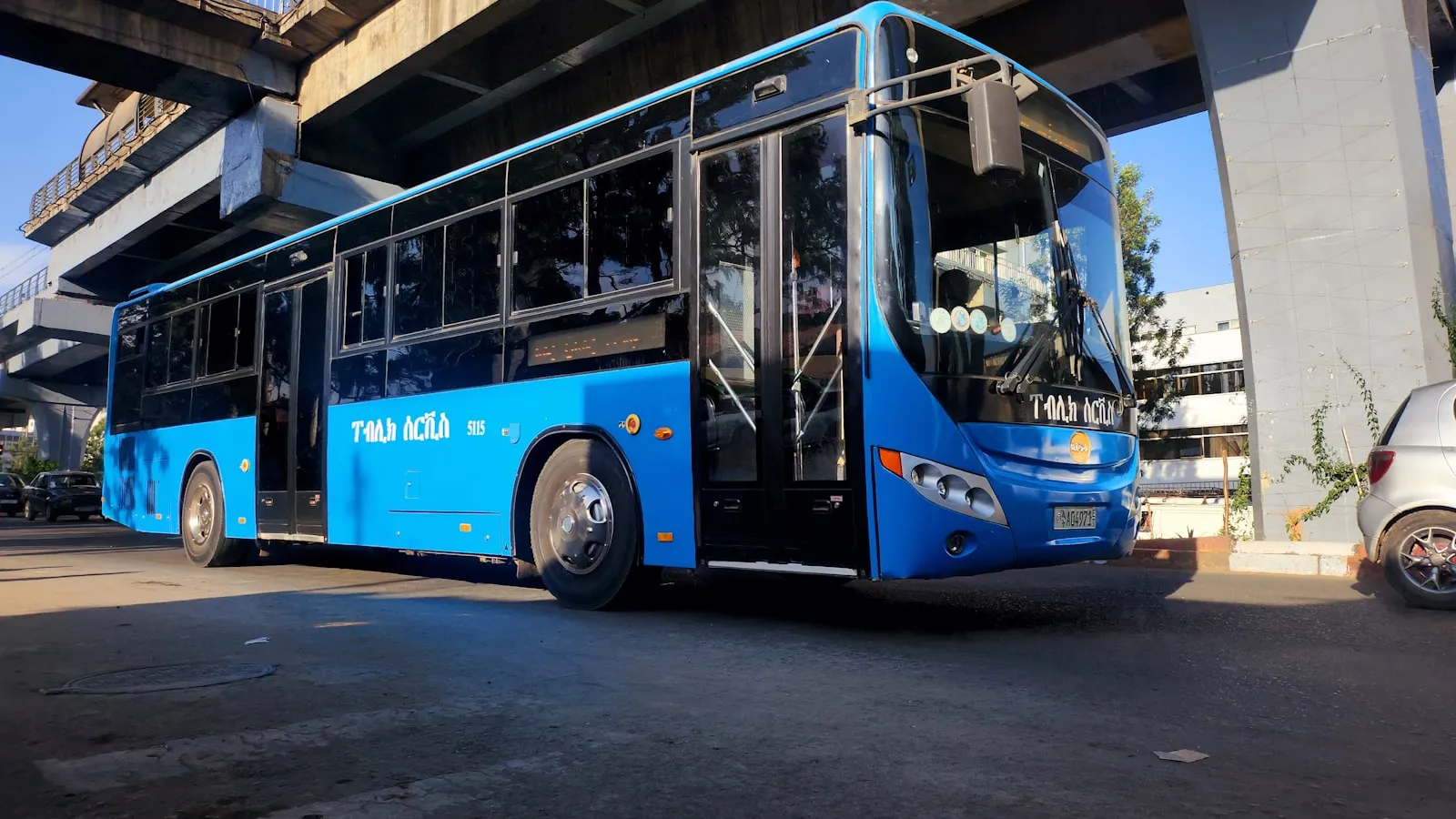
Bus operator running manual HAMA reporting
A public transport operator relying on Optibus HAMA reports and downstream warehouse feeds for operational reporting and routine data movement.
Reporting workflows depended on manual downloads, re-entry, and one-person process knowledge, which created avoidable fragility in day-to-day operations.
Tags
Industry
Challenge
Service
Technology
Outcome
Generating the HAMA (Hours and Miles Analytics) report required data to be downloaded manually and then re-entered into other systems. That made a routine reporting process slower, more fragile, and more dependent on individual handling than it needed to be.
The immediate issue was the amount of repetitive manual effort involved. The deeper issue was that copy-paste handling created mistakes, correction cascades, and one-person dependency in a reporting flow that other teams relied on downstream.
The operator needed a way to reduce:
iQberry focused on removing manual handling from the HAMA workflow rather than simply making the old process slightly faster.
The work started with the existing Optibus HAMA report handoff path, then moved the process into direct ETL-based ingestion so the data could flow into the operator data warehouse on a more reliable basis. Validation at ingestion was part of the design, because data quality mattered as much as time saved.
The delivery approach prioritized:
iQberry delivered an automated Optibus HAMA integration workflow that ingests report data into the operator data warehouse without manual re-entry.
The solution included:
This replaced a fragile manual handoff with a more reliable reporting-data pipeline.
The primary outcome was a more reliable reporting workflow with less human handling at the point where errors were being introduced.
According to the source material, the automation removed GBP 20,000 to GBP 30,000 of annual manual payroll effort. It also reduced the operational fragility caused by one-person dependency and repetitive re-entry, which had been affecting the quality and timeliness of downstream reporting.
In practical terms, the operator gained:
Reporting workflows often look small until one fragile manual step starts creating repeated downstream issues.
This case shows how focused integration and ETL work can remove a recurring operational bottleneck without requiring a broad platform replacement. The business value comes from making routine reporting more dependable, less person-dependent, and easier to trust.
For operators building stronger data foundations, these targeted automations are often where reporting quality and operating efficiency improve fastest.
Work with iQberry
We help operators replace fragile report handling with validated data pipelines that improve reliability without adding unnecessary complexity.
Book a discovery callYour idea stays protected with a mutual NDA in place.
You share. We listen and ask questions to stay focused on goals.
You get a clear project roadmap.
Together we define alignments to what matters most.
You see momentum fast as we turn the plan into action.
Your idea stays protected with a mutual NDA in place.
You share. We listen and ask questions to stay focused on goals.
You get a clear project roadmap.
Together we define alignments to what matters most.
You see momentum fast as we turn the plan into action.
We'll get back to you within 24 hours.
